
Why Choose SunSystems
Infor SunSystems delivers integrated financial management, sales management, purchasing and inventory solutions to 9,000+ customers in 190+ countries. For 30+ years, Infor SunSystems has been meeting the needs of the hospitality, non-profit, banking and Insurance, upstream oil and gas, and other industries across the globe.

Grow with Flexibility
To succeed in today’s global business environment, you need a financial management system (FMS) that seamlessly transcends borders, languages, and currencies. You also need to be able to make informed business decisions; but to do that, you need access to critical, real-time information when and where you need it. You get all this and more with SunSystems®—an easy-to-use, modern FMS that’s powerful enough to meet your needs today, and innovative and flexible enough to adapt as your business evolves and grows.
Leverage One Solution for All Your Needs
Simplify system management, streamline processes, and make your business less complex with one solution that brings everything together across different sites, countries, business units, companies, and corporate offices—and is flexible enough to handle their varying requirements.
Provide a Consistent and Auditable Environment
Comply with local statutory, audit, international financial reporting standards (IFRS), and other regulatory requirements with built-in audit trails, alerts, and sophisticated data reconciliation. You’ll easily be able to handle simultaneous financial reporting requirements in multiple countries.

Integrate Information
All your ledger data can be combined in one place, whether it’s from your general ledger, sales and purchase ledger, or even a user-defined ledger—without having to wait for batch updates or reconciliations. With a unified ledger, you’ll be able to close your books faster, lower costs, and increase efficiency.
Why Cloud and Why Now
By moving to the cloud, organizations can replace most legacy customizations with deep industry functionality, reduce their risk via world-class security and uptime, and benefit from continuous technology enhancements. Constrained IT departments can’t provide the same scalable level of service, and neither should they have to.
1 Infrascale, “Infrascale Survey Highlights the Heavy Costs of Business Downtime,” May 13, 2020, press release.
2 “CIO Tech Poll: Tech Priorities 2020,” IDG, February 26, 2020.
3 Spiceworks Ziff Davis, The 2021 State of IT: The Annual Report on IT Budgets and Tech Trends, September 15, 2020.
Even the 2020 global pandemic hasn’t stopped organizations from recognizing the value of the cloud. A survey from marketing strategy organization, Spiceworks Ziff Davis, indicates that cloud services will account for 24% of IT spending in 2021—a sizeable jump from 21% in 2019.3 This increase is at least partially driven by the need for organizations to better support remote work capabilities.
Moving from a customized financial system to a real, SaaS solution can be a big step for an organization. Nevertheless, when organizations embrace SaaS for core operational systems, the upside is significant. These advantages are powerful—even in a business environment that’s still being impacted by the pandemic.
Top Reasons to Upgrade to Infor SunSystems Cloud
The new release of Infor® SunSystems Cloud offers advanced tools that enable you to work faster, more flexibly, and more efficiently. Demonstrating Infor’s commitment to designing innovative solutions, we continue to make significant investments in the development and new functionality of our applications. We help our customers solve their toughest business challenges with a secure and reliable platform that enables quick responses to opportunities, regulations, and innovation.
With cloud-based software, you can focus on the work you do best, letting the pros handle the tech side of things. Your trusted cloud partner will handle back-ups, upgrades, and security, so your mission-critical systems and data stay up-to-date and safe. Plus, you get new solutions deployed quickly with the flexibility to add new applications as needed.
More than just a modern financial system, SunSystems® in a cloud environment delivers improved collaboration, security, and a lower total cost of ownership.
Features and Benefits Delivered by
SunSystems Cloud
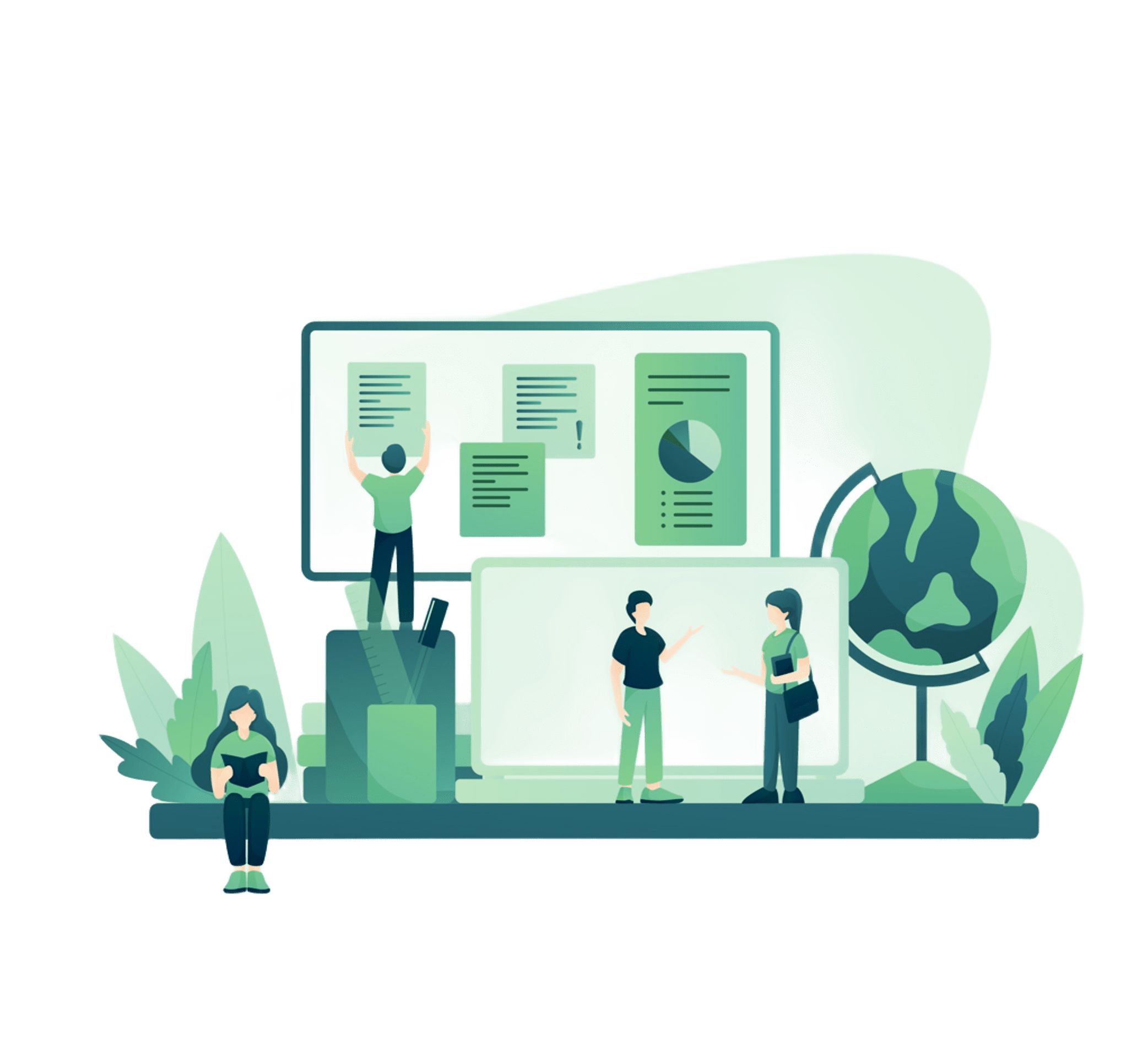
From Design to Production, an Easy-To-Use Environment
- Experience modern intuitive navigation
- Create real-time queries and drill back to the source transaction
- Easily find relevant information and get that data delivered automatically
- Reduce training time and increase productivity

Get Business Insights Through a Variety of Channel
- Leverage robust embedded business intelligence tools
- Conduct sophisticated analytics with web dashboards and a self-service front-end
- Take advantage of real-time data integration with Infor Query and Analysis, a Microsft Excel-based tool
- Enjoy an improved centralization of data
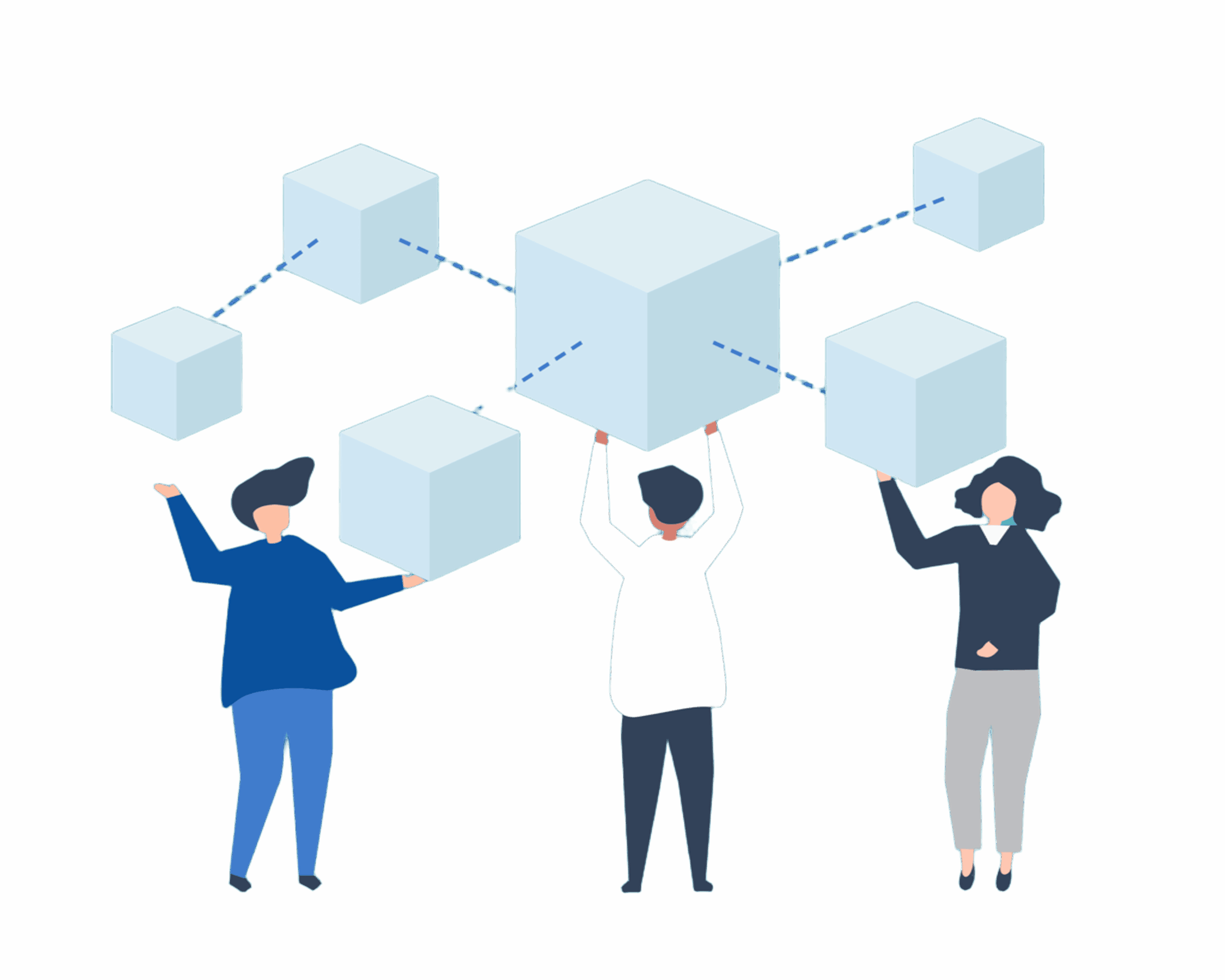
Easily Integrate with Other Infor and Third-Party Solutions
- Manage cross-application workflows and event management
- Get deeper insight across application process flows
- Improve proactive, preemptive control
- Seamlessly integrate your business applications to eliminate operational silo
Secured Access to SunSystems Documents Across the Ecosystem
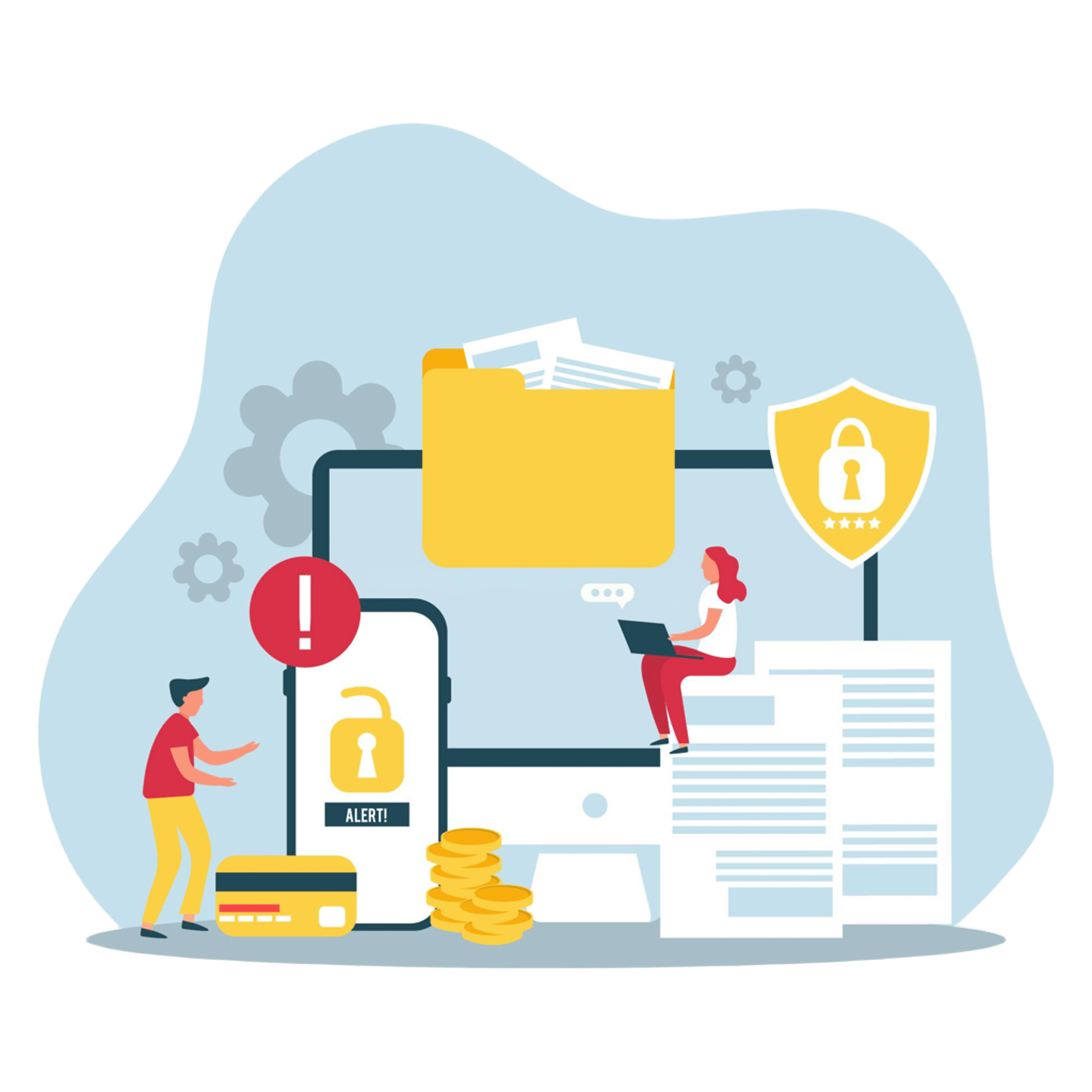
- Attach documents directly to the related transactions with Infor Document Management (IDM)
- Automatically capture, authorize, and archive any kind of business document contextually
- Search and retrieve those documents whenever they are required
- Save time, money, and storage space, as well as comply with increasing regulations
- Allow customers, suppliers, and employees to access and interact with the core SunSystems solution via the external web portal
- Leverage self-service capabilities
- Reduce internal administration and limit the number of queries

Improve Processes Between Entities and Systems
- Leverage robust embedded business intelligence tools
- Conduct sophisticated analytics with web dashboards and a self-service front-end
- Take advantage of real-time data integration with Infor Query and Analysis, a Microsft Excel-based tool
- Enjoy an improved centralization of data
Improve Processes Between Entities and Systems
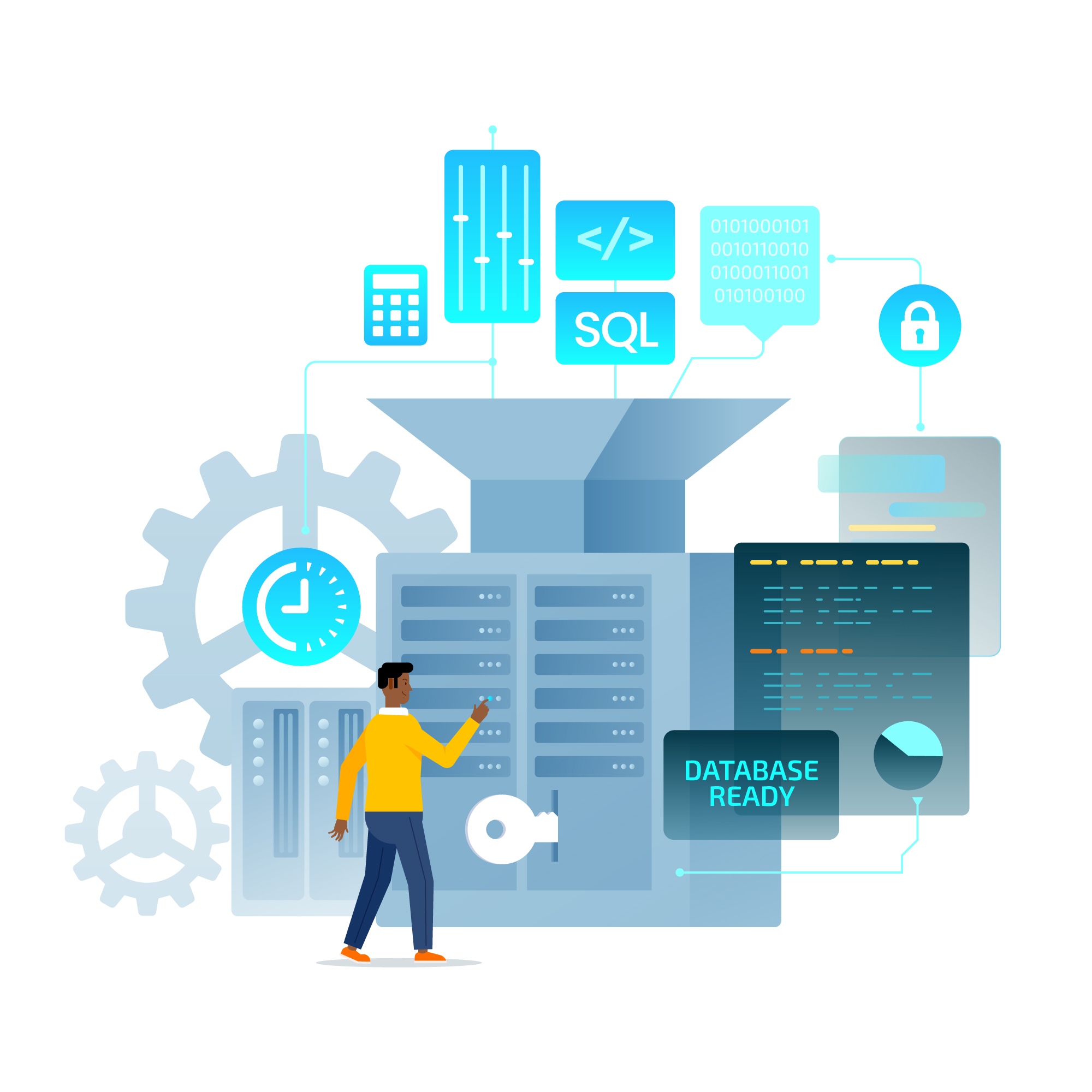
- Apply amendments to the primary entity to all specified secondary entities
- Leverage improved process efficiency
- Reduce re-keying errors
- Flexibly configure currencies according to your reporting and analysis needs
- Support five currencies per transaction
- Record transactions and provide reporting and analysis in different currencies
- Store and report on a further ten attributes associated with a “T” code
- Report analysis codes with Infor Query and Analysis for SunSystems
Improve Critical System Reliability
Even when you do everything right, the unexpected can still happen. Natural disasters strike, equipment fails, and human errors occur. Even if you took proactive steps to mitigate risk, it’s still up to you and your team to race to recover and ensure actions are quickly and correctly taken to get back online.
And time is seldom on your side.
If your organization previously reviewed and dismissed the value of the cloud, it’s time to re-evaluate. Decisions that made sense last year, or
even the previous quarter, probably look very different through today’s lens.
Losses caused by critical system failure can be financially staggering—a study by cloud data protection company, Infrascale, reported that the cost of unexpected IT downtime can range anywhere from less than $10,000 per hour to more than $50,000 per hour.1 And downtime can impact more than just revenue and productivity.
Many organizations rely on key resources, such as hardware and applications, to not only help run the business, but also help get back on track after disaster strikes. Unfortunately, as hardware and applications age, they become less adept at meeting business needs and are less reliable resources for disaster recovery. In fact, an aging IT infrastructure can sometimes even be a catalyst for disaster. Some of the dangers of relying on older systems include:
• Hardware failures that require replacement, or hardware ages to the point where the vendor no longer supports it
• Older software (ranging from operating systems to applications) that reaches end-of-life and which needs to be upgraded or replaced
• Application functionality that doesn’t keep up with the changes required for the business to continue functioning—requiring continual customizations and point-to-point integrations
It’s essential that organizations not only address any immediate challenges to maintaining business continuity, but also endeavor to ensure that these challenges don’t occur in the future. A Software-as-a-Service (SaaS) model—where financial applications are hosted in the cloud—is a viable antidote to these potential issues. With a SaaS solution, managing and maintaining the hardware and software (including keeping applications upgraded to the most current release) falls to the service provider—whose entire business model is structured around ensuring all hardware and software resources are operational, reliable, and up to date.
Leverage the Technical Skills of Your Cloud Solution Provider
Over time, businesses evolve their enterprise ecosystems to address new needs. While this is the natural progression of enterprise business solutions, it can often create a hodge-podge of disparate systems—some of which are relatively new, others woefully outdated—that only a handful of people understand how to manage and maintain successfully.
But even the people who truly understand all the nuances of the enterprise ecosystem eventually leave the organization. If replacement talent isn’t immediately available, the organization faces a much greater risk of mission-critical systems failures that can result in significant damage to the business and potential loss of revenue.
At the same time, enterprise applications and the systems required to support them are growing increasingly complex. Tight IT budgets and the knowledge and expertise needed to maintain those applications make it increasingly challenging for organizations of all sizes to keep such technology running optimally.
Adopting a cloud application comes with multiple benefits toward addressing skills issues:
• Cloud providers devote significant resources to ensuring their sizeable staff are well-versed in all relevant hardware and software technologies—old and new
• Cloud providers maintain and update comprehensive knowledge bases for their technical staff, ensuring that institutional knowledge is retained
Access to this technical expertise allows organizations to leverage the extensive knowledge and experience of the cloud provider to keep business applications up and running.
Simplify Mergers and Acquisitions
Mergers and acquisitions are a common way for organizations to grow, especially in today’s highly competitive markets. Unfortunately, due to their complexity, they often bring numerous immediate challenges that affect virtually all departments. IT teams are often charged with providing the underlying infrastructure that will allow organizations to operate successfully under a new configuration. This can
be a monumental undertaking, and often occurs with little warning, regardless of how much day-to-day work already exists.
Mergers and acquisitions require major changes in organizational makeup. Financial applications that support the organization need to be able to scale to handle changing workloads and provide corporate-wide visibility and accessibility in an evolving geographical footprint. Other factors can further complicate the scenario, such as when the organization that’s acquired or merged is located in a different country with unique reporting and regulatory requirements.
Cloud financial IT teams are seldom able to implement new networking facilities to support new locations while also performing other critical IT functions related to merging multiple organizations—on top of their expected and mission-critical responsibilities around supporting existing infrastructures.
Cloud solutions excel at solving these problems because they’re specifically designed to scale to handle an organization’s growing and varying workloads, as well as be accessible from virtually anywhere on the globe with an internet connection.
Cloud solutions can also be utilized to create a foundation on which a unified view of all financial data can be shared across the extended enterprise to give an organization the level of corporate-wide data visibility required to make informed decisions.
Continuously Innovate without Disruption
Many organizations today still rely on legacy, on-premises platforms that provide reliable and consistent results. These on-premises platforms, however, are typically very limited in their ability to support some of the more innovative and differentiating technology advancements available. Whether it’s robotic process automation (RPA), big data, or machine learning (ML), most artificial intelligence (AI)-based initiatives aren’t feasible for on-premises applications.
Business initiatives such as big data investments (e.g., data lakes, data warehouses, and IoT capabilities), ML, and AI can be extremely difficult to plan, deploy, and even manage in an on-premises environment. The up-front investment can be huge, with a high risk associated with capital investments of new, on-premises technologies where the organization has little previous experience.
Cloud solutions can provide a platform for introducing innovation—without disruption or large high-risk investments. loud infrastructure supports the dynamic scalability that can handle variable usage and peak loads, while not impacting systems that need to be reserved for business-as-usual activity and without incurring permanent costs and overhead from additional system resources and infrastructure.
Cloud infrastructure also provides an excellent foundation for extensibility. Cloud users benefit from continuous product enhancements delivered by software vendors on a regular basis. This helps ensure that the platform is always on the leading edge of industry and market requirements, without the disruptions normally associated with the traditional software maintenance and upgrade cycle.
For most organizations, utilizing these technologies as agile cloud-based services are the only feasible option for efficient deployment and real-world innovation
Defend Against Security Breaches and Malicious Attacks
Many organizations today still rely on legacy, on-premises platforms that provide reliable and consistent results. These on-premises platforms, however, are typically very limited in their ability to support some of the more innovative and differentiating technology advancements available. Whether it’s robotic process automation (RPA), big data, or machine learning (ML), most artificial intelligence (AI)-based initiatives aren’t feasible for on-premises applications
Reduce IT Costs
For many organizations, on-premises enterprise ecosystems and custom modifications come hand-in-hand. These customizations require a steady stream of resources to maintain, along with a seemingly constant cycle of upgrades and updates that often don’t manage to keep up with the latest innovations.
Many upgrade expenditures are not necessarily even focused on adding new capabilities to the business (such as ML or AI) or enhancing existing functionality (such as improved business process management). In fact, technology research company, IDG, reports that the top priority for CIOs is cybersecurity (based on spending).2 But right behind that is spending on business intelligence (BI) and analytics tools—capabilities that can directly improve how an organization conducts business.
Implementing new systems and capabilities on-premises can represent a huge capital investment. Whereas utilizing cloud solutions can offer a much higher return on investment (ROI) due to the savings and flexibility of the associated operating expenses. Organizations that leverage the capabilities of financial cloud applications can further reduce (or even remove) the need for customizations, increasing ROI even further.